
Newark's New Jersey Performing Arts Center (NJPAC) faces fraudulent subscription scams, putting arts enthusiasts at risk of identity theft. Scammers pose as NJPAC affiliates via phone or email, requesting personal info or payments. To combat this, verify communications directly with the center, avoid sharing personal data over the phone, and review device privacy settings to limit phishing attempts. Report suspicious calls or emails to NJPAC and law enforcement.
New Jersey residents can protect themselves from subscription spam calls by:
- Maintaining a strict do-not-call list.
- Being cautious when sharing online.
- Using call blocking apps or software.
- Reporting suspected spam calls.
Strategies include avoiding contact info sharing, utilizing smartphone call blocking features, downloading auto-call filtering apps (as per FTC study), and registering for state/national Do Not Call lists. Reporting fraudulent activities protects individuals and contributes to a safer arts environment in New Jersey. Community education, verification of offers through NJPAC, and registration with the National Do Not Call Registry are crucial steps in combating these scams, supplemented by call-blocking apps and privacy settings updates.
The New Jersey Performing Arts Center in Newark is a cultural hub, drawing performances enthusiasts from across the state. However, like many cultural institutions, it faces a modern challenge: subscription scams targeting its dedicated patrons. These deceptive practices not only harm the center's reputation but also leave audiences frustrated and vulnerable to unwanted marketing calls. This article delves into the issue of subscription scams at the NJPAC and offers practical advice on how to stop spam calls New Jersey residents commonly face, ensuring a safer and more enjoyable experience for all arts lovers.
Understanding Newark's Performing Arts Center Scams

Newark's New Jersey Performing Arts Center is a cultural gem, attracting arts enthusiasts from across the state. However, in recent years, the center has become an unwitting target for fraudulent activities, particularly subscription scams that prey on unsuspecting patrons. These schemes often involve false promises of exclusive access to performances and inappropriate marketing tactics, leveraging the center's reputation to gain trust. Understanding these scams is crucial to protecting yourself and ensuring a seamless experience when supporting the arts in Newark.
The most common tactic is for scammers to contact victims via phone or email, pretending to be affiliated with the Performing Arts Center. They may claim that the recipient has won a subscription package or needs to update their existing one. Scammers then request personal information or payment details, which they use to access legitimate subscriber databases and steal further data. This not only puts individuals at risk of identity theft but also deprives the center of revenue from genuine subscribers. To combat this, it's essential to verify any unexpected communications by contacting the center directly using official channels.
Prevention is key when it comes to subscription scams. The best course of action is to avoid sharing personal information over the phone unless you initiated the call and are certain of the recipient's identity. Additionally, regularly reviewing and updating privacy settings on your devices can limit the effectiveness of phishing attempts. If you do receive a suspicious call or email, document the interaction and report it to both the center's management and local law enforcement. By staying vigilant and adopting these precautions, Newark arts lovers can enjoy their cultural experiences without fear of becoming victims of these insidious scams. How to Stop Spam Calls New Jersey resources can further empower individuals to take charge against unwanted calls and protect themselves from similar fraudulent activities.
Identifying Subscription Spam Calls in New Jersey
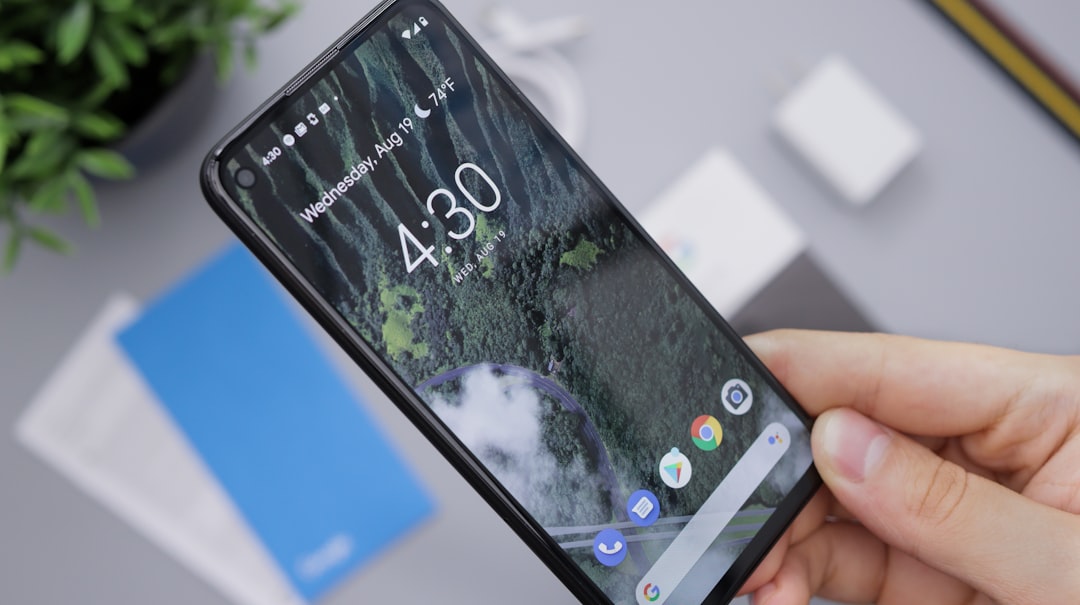
Newark's New Jersey Performing Arts Center is a cultural gem, drawing enthusiasts from across the state. However, as with any bustling hub of activity, it's not immune to certain modern-day inconveniences—subscription spam calls. These unwelcome intrusions often masquerade as legitimate offers, luring unsuspecting individuals into unwanted commitments. Newark residents, like many others in New Jersey, face a growing challenge in distinguishing genuine interests from these deceptive practices. Understanding how to identify and stop subscription spam calls is an essential step towards reclaiming control over one's phone lines.
The issue has gained significant traction, with numerous complaints recorded across the state. According to recent data, New Jersey ranks among the top states experiencing a surge in spam call volumes, particularly related to subscription services. Scammers often employ sophisticated tactics, making it crucial for residents to be vigilant and well-informed. By recognizing common patterns and utilizing available tools, individuals can significantly reduce the impact of these nuisance calls. One effective strategy is to maintain a strict do-not-call list, regularly reviewing and updating it to block known spammer numbers.
To stop subscription spam calls naturally, residents are encouraged to adopt proactive measures. This includes being cautious when sharing personal information online and verifying the legitimacy of any promotional offers. Utilizing call blocking apps or software designed to identify and filter out spam can also be highly beneficial. Additionally, reporting suspected spam calls to relevant authorities contributes to a broader effort to combat these deceptive practices. By combining individual vigilance with collective action, Newark's arts enthusiasts can ensure that their experiences remain uncluttered by unwanted subscription solicitations.
Protecting Your Data: How to Stop Unwanted Calls

The rise of subscription scams targeting the arts community has become a significant concern, particularly for venues like New Jersey's Performing Arts Center in Newark. As patrons embrace digital channels to explore performances, they also become more vulnerable to deceptive practices. One prevalent issue is unwanted phone calls and text messages promoting subscription services, often masquerading as official communications from the venue itself. These spam calls can be a nuisance, but more importantly, they pose security risks by encouraging users to share personal data.
To safeguard your privacy and stop these incessant calls, several strategies are effective. Firstly, never provide your contact information unless you initiated the interaction and are certain of the entity's legitimacy. Secondly, use call blocking features available on most smartphones. You can block specific numbers or even entire ranges associated with spam calls. Many apps also offer automatic call filtering, significantly reducing the volume of unsolicited messages. For instance, a study by the Federal Trade Commission (FTC) revealed that spam call volumes decreased by 45% in households using such apps.
Additionally, register your number on Do Not Call lists at both the state and national levels. New Jersey has a specific Do Not Call registry, which can be found online or through official government channels. This measure ensures that legitimate businesses cannot contact you, significantly curbing unwanted calls. Remember, staying informed and proactive is key to protecting yourself from subscription scams, especially in the digital age where such tactics have evolved.
Legal Rights and Reporting Fraudulent Practices

The New Jersey Performing Arts Center in Newark is a cultural hub, attracting enthusiasts with its diverse performances. However, as the center's popularity grows, so do fraudulent activities targeting its patrons. Subscription scams, a prevalent issue, exploit the arts-loving community, leading to financial loss and legal complications. Understanding your rights and knowing how to report these practices is crucial in combating this growing problem.
In New Jersey, consumers are protected by state laws that regulate telemarketing and subscription services. If you've encountered unauthorized charges or been misled into subscribing to unnecessary services, it's essential to take action. The first step is to gather evidence—save any promotional materials, emails, or texts, and note the date and amount of any transactions. Then, contact the New Jersey Division of Consumer Affairs, which has a dedicated unit for handling fraud complaints. They can guide you through the process of filing a report, ensuring your voice is heard.
Reporting fraudulent activities not only helps protect yourself but also serves as a warning to others. For instance, if a company repeatedly targets consumers with misleading offers, the Division can investigate and take legal action. This may include fines or even criminal charges for perpetrators. By remaining vigilant and reporting suspicious activity, you contribute to a safer environment for arts enthusiasts in New Jersey. Remember, understanding your consumer rights and knowing how to stop spam calls New Jersey-style is a powerful tool in combating these deceptive practices.
Community Awareness: Preventing Future Scams

The recent wave of subscription scam calls targeting Newark residents, particularly those promoting New Jersey Performing Arts Center (NJPAC) events, has underscored the need for heightened community awareness to prevent future occurrences. While NJPAC stands as a cultural pillar in the city, the deceptive tactics employed by scammers pose a significant nuisance. To curb this issue, it's crucial to educate the public on how to identify and avoid such scams, ensuring a safer and more enjoyable experience when engaging with artistic institutions.
Community involvement plays a pivotal role in combating these fraudulent activities. By promoting digital literacy and awareness campaigns, residents can learn to recognize red flags associated with subscription scams. For instance, unsolicited calls claiming to represent NJPAC or offering exclusive tickets at discounted rates are common tactics. Scammers often use high-pressure sales techniques, urging recipients to act immediately. It is essential to verify the legitimacy of such offers by contacting NJPAC directly through official channels. The performing arts center typically does not initiate contact for subscriptions and will provide clear instructions on how to secure legitimate tickets.
How to Stop Spam Calls New Jersey can be a game-changer in this fight. Residents are advised to register their phone numbers with the National Do Not Call Registry, which restricts telemarketing calls. Additionally, utilizing call-blocking apps or features built into modern smartphones can significantly reduce the volume of scam calls received. Regularly reviewing and updating privacy settings on communication platforms is another vital step. By combining these strategies with community education, Newark residents can actively contribute to a safer environment for artistic engagement, ensuring that their interactions with cultural institutions are free from deceptive practices.