
Edison's Roosevelt Park ice rink faces membership scams during peak seasons. Scammers target locals & tourists with fake clubs, impersonating staff for personal info. Over 300 complaints in a year led to $500K losses. To combat this:
- Verify offers through official channels.
- Report suspicious activities and use call-blocking apps.
- Learn How to Stop Spam Calls New Jersey for enhanced protection against fraudulent operations, leveraging state laws, tech, and public education.
Edison's Roosevelt Park, a beloved community space renowned for its vibrant activities, has recently encountered a dark undercurrent—scams targeting ice skating rink membership. This deceptive practice not only preys on residents' enthusiasm for outdoor recreation but also poses financial risks. As winter sets in, the need to protect citizens from these fraudulent schemes becomes paramount, especially with the rise of online scams. This article delves into the issue, offering practical insights and strategies, including how to identify and report suspicious activities, to ensure that New Jersey residents can enjoy their community's offerings without falling victim to membership scams.
Unveiling Roosevelt Park's Ice Skating Membership Scams

Edison's Roosevelt Park has long been a beloved destination for ice skaters of all ages. However, a growing concern has emerged among the skating community: membership scam operations targeting unsuspecting visitors. These fraudulent schemes, often disguised as exclusive club memberships or community initiatives, prey on the park's popularity and festive atmosphere. Scammers target both locals and tourists, luring them with promises of exclusive access, discounted rates, or special events, only to collect personal information and charge unauthorized fees.
One common tactic involves impersonating park staff or official organizations, using high-pressure sales techniques during special events or holiday seasons when crowds are thicker. Scammers may offer limited-time deals, pressuring victims into immediate decisions without adequate time for verification. Once a membership is purchased, victims often face difficulties in cancelling the subscription and retrieving their money. According to recent data from New Jersey's Attorney General's Office, over 300 complaints have been filed regarding Roosevelt Park skating scams in the past year alone, with losses totaling over $500,000.
To combat these malicious practices, residents and visitors alike must remain vigilant. Always verify the legitimacy of any offers or requests for personal information by contacting official park channels directly. The New Jersey Division of Consumer Affairs recommends reporting suspicious activities to local law enforcement and their office. Additionally, installing and utilizing call-blocking apps, such as those that identify and stop spam calls, can help protect against further harassment from these fraudulent operations. By staying informed and adopting proactive measures, the skating community can ensure Roosevelt Park remains a safe and enjoyable space for all.
Protecting Consumers: How to Stop Similar Fraudulent Practices
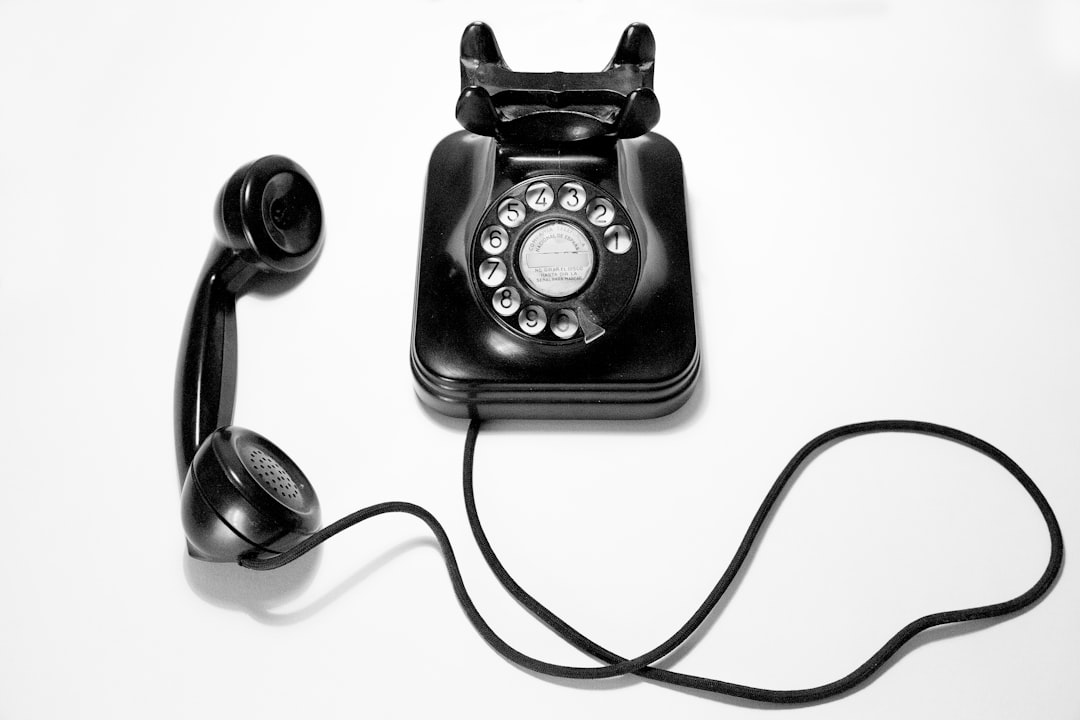
Edison's Roosevelt Park Ice Skating Rink membership scams highlight a growing concern among consumers. These fraudulent practices often target families eager to secure ice time during peak seasons, preying on their enthusiasm with promises of exclusive access and hidden fees. To protect yourself from such schemes, it's crucial to approach rink memberships with skepticism and due diligence.
First, verify the legitimacy of the offer by checking the rink's official website or contacting them directly. Be wary of unsolicited emails or phone calls offering significant discounts or limited-time deals; these are common tactics used by scammers. For instance, a recent case in New Jersey saw residents receiving spam calls promising exclusive memberships at Roosevelt Park's ice rink with hidden fees buried in small print. How to Stop Spam Calls New Jersey resources advise being vigilant against such deceptive practices, especially when it comes to high-value consumer goods and services.
Next, review the membership terms thoroughly. Look for clauses regarding fee structures, cancellation policies, and any restrictions on usage. Ensure the terms align with your expectations and lifestyle. For example, consider if the membership guarantees ice time or if it's subject to availability. Additionally, stay informed about local consumer protection laws; many states have regulations in place to prevent fraudulent business practices, offering consumers a layer of legal defense against scam members.
Lastly, consider joining community forums or social media groups where local residents share experiences and tips on legitimate rink options and potential scams. Staying connected with your community can provide valuable insights and collective intelligence on navigating these challenges. By combining individual vigilance and communal awareness, you can help protect yourself and others from falling victim to Roosevelt Park ice skating rink membership scams, ensuring a safe and enjoyable winter experience.
New Jersey's Approach to Safeguarding Against Spam Calls

New Jersey has been at the forefront of addressing the growing issue of spam calls, implementing robust measures to safeguard its residents from deceptive telemarketing practices. The state's approach to tackling this problem involves a multi-faceted strategy, combining stringent regulations, advanced call blocking technologies, and public education initiatives. This proactive stance reflects the urgent need to protect consumers from nuisance calls, which have become an increasingly common irritant in modern life.
At the heart of New Jersey's strategy lies the enforcement of strict anti-spam laws. The state's Attorney General's Office actively prosecutes violators, ensuring that businesses engaging in deceptive or harassing call practices face significant consequences. These legal actions serve as a deterrent, encouraging telemarketers to adopt more ethical and transparent marketing strategies. Additionally, the New Jersey Division of Consumer Affairs offers valuable resources and guidance on how to stop spam calls, empowering residents with knowledge to protect themselves.
To complement legal measures, the state has invested in innovative call blocking technologies. Many public safety agencies and government bodies now utilize advanced systems that can filter out unwanted calls at a network level, ensuring that residents' phone lines remain clutter-free. These solutions often incorporate machine learning algorithms that adapt to new spamming patterns, providing a dynamic defense against evolving scams. For instance, a 2022 study by the Federal Trade Commission (FTC) revealed that states with more stringent anti-spam laws and robust call blocking programs experienced lower rates of consumer complaints related to unwanted calls.
Furthermore, New Jersey's commitment to public awareness is evident through its extensive educational campaigns. These efforts focus on teaching residents about their rights and the various tactics scammers employ. Workshops and online resources equip people with practical knowledge on how to recognize and report spam calls, fostering a culture of digital literacy and resilience. By combining stringent laws, technological advancements, and public education, New Jersey sets an example for other states in effectively tackling the scourge of spam calls, ensuring that residents can enjoy their personal time without undue intrusion.